Scalp Micropigmentation for Disguising Scars



Don't just take our word for it...
Listen to what our clients who suffer from balding, alopecia, hair thinning and scarring have to say about their life changing results from Scalp Micropigmentation with ScalPerfection.
See what we can do for you!
Don’t let hair loss hold you back. Book your free consultation today and take the first step towards a natural, confident appearance.
Scalp Micropigmentation for Disguising Scars
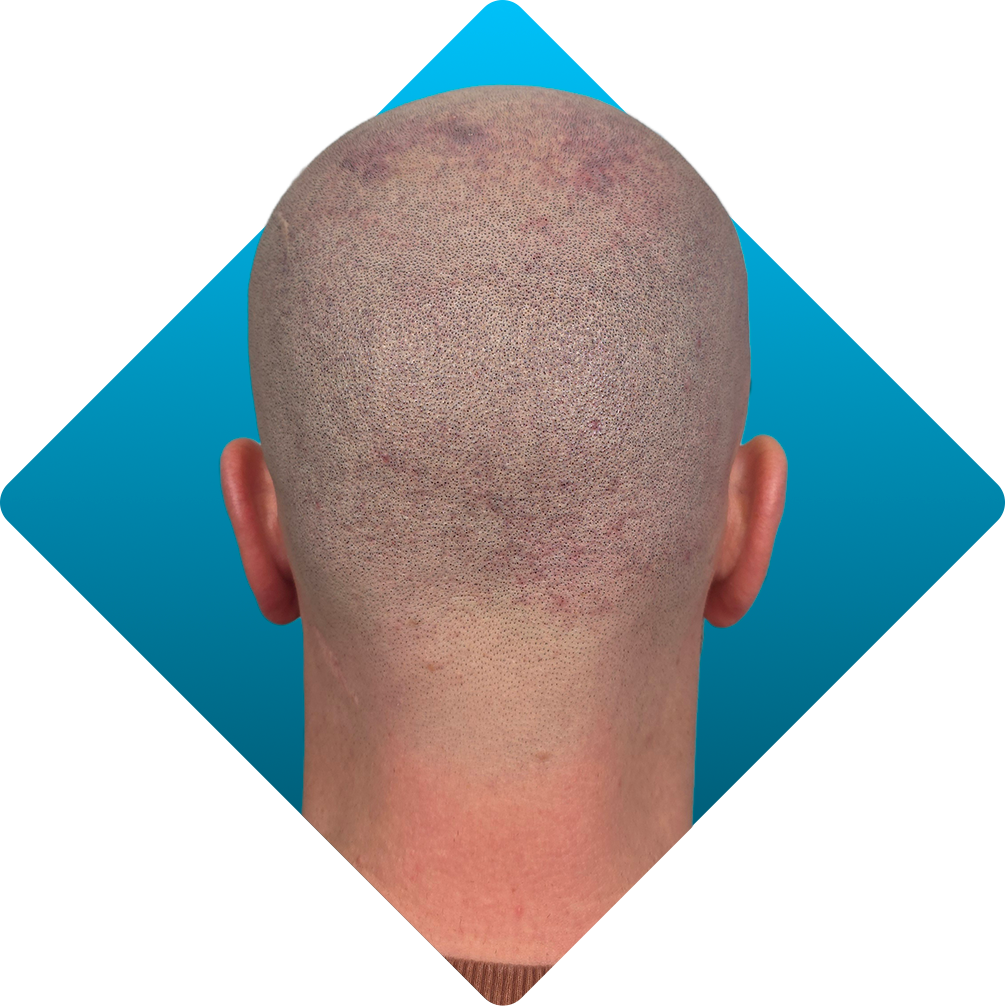
Many people turn to hair transplants to restore lost hair, using advanced FUT or FUE techniques. While these methods reduce scarring, some scarring at the back of the head can remain and be difficult to hide.
At Scalp Perfection, our SMP treatments expertly camouflage transplant scars, creating a natural, uniform look and boosting your confidence.
Treatment Details
Treatment Duration
2 - 9 Hours
Results
Immediate
Results Duration
10+ Years
Sensitivity Period
12 - 36 Hours
Full Recovery
10 Days
No. of Sessions*
Atleast 3 Sessions
Treatment Details
Treatment Duration
2 - 9 Hour
Results
Immediate
Results Duration
2 - 5 Years
Sensitivity Period
12 - 36 Hours
Full Recovery
10 Days
No. of Sessions*
Atleast 2 Sessions
The Process
Step 1: Consultation & Mapping
We begin with a detailed assessment of your scar type, size, and location, as well as your scalp condition and natural hair pattern. Together, we create a customized treatment plan that includes pigment tone, density, and blending areas to ensure a natural result that matches your existing hair and skin tone.
Step 2: Pigment Application
Using specialized micro-needles, we carefully deposit pigment into the scar tissue and surrounding scalp over multiple sessions. This process breaks up the contrast between the scar and the skin while replicating the look of natural hair follicles. Each session gradually improves coverage and texture, helping the scar blend smoothly with the surrounding area.
Step 3: Aftercare & Maintenance
After your sessions are complete, we provide detailed after-care instructions to help protect the treated area. This includes avoiding direct sunlight, sweating, and shaving for a short period. Depending on your skin type and healing process, occasional touch-up sessions may be recommended to maintain the most natural and lasting results.


Ideal candidates
Scalp Micropigmentation (SMP) is an excellent solution for anyone looking to reduce the visibility of scars on the scalp. Whether your scar is from a hair transplant, injury, burns, or surgery, SMP can help blend the scar into the surrounding hair and skin to create a smoother, more uniform appearance without surgery.
SMP for scar camouflage is suitable for both men and women of all hair colours and skin tones. Each treatment is customised to match your natural hair growth and pigment, helping to soften the contrast between the scar and surrounding scalp. This results in a more natural look and renewed confidence.
Before & After Photos


Frequently Asked Questions
How can scalp micropigmentation help disguising scalp scars?
Scalp micropigmentation, also known as SMP, was originally developed to cover scars and has since developed to cover the whole scalp or just smaller areas as necessary. SMP scar camouflage works to blend the scar tissue with the surrounding area. In many cases the scar is concealed up to 90% although this depends on the type of scar and the way any remaining hair is worn.
Can SMP be used for disguising scalp scars of all kinds?
SMP can be used on the majority of scars, but there are factors to be considered prior to treatment, including the age, texture, colour and integrity of the skin. We assess and approach each scar differently, but generally the scars that we can work on are:
- FUT scars – commonly called ‘strip scars’, these are usually a single line at the back of the head.
- FUE scars – common called ‘dot scars’, these are clusters of small scars usually at the back of the head, and sometimes behind the ears.
- ‘Plug’ and ‘Cobblestone’ scars – these are the result of older hair transplant methods, poor technique or inadequate healing.
- Scars from neurosurgery or other head trauma.
If you would like to know if scalp micropigmentation is a good solution for your scalp scars, get in touch with us for a free, no obligation consultation.
How we can help?
We’ve had some great results with scalp micropigmentation for hair transplant scars, take a look at our gallery for before and after photos.
If you have a scalp scar that you would like to conceal and are considering scalp micropigmentation, try our FAQs or get in touch with us today. We’re happy to have a no obligation conversation to answer any questions you have.
Our work speaks for itself...
International Client Base
Trusted by clients from across the UK and around the world, ScalPerfection has built a global reputation for precision, artistry, and natural-looking results. Many of our international clients travel specifically for our expertise in advanced scalp micropigmentation.
5 Star Reviews on Google & Facebook
Our clients consistently rate us 5 stars for professionalism, attention to detail, and life-changing results. We take pride in delivering an exceptional experience from consultation to aftercare, with real results that speak for themselves.
Over
600+ Clients
With more than 250 successful treatments completed, we’ve helped men and women regain confidence through expertly tailored SMP solutions. Every result is unique, designed to complement your natural features and lifestyle.
Recommended by
Top Clinics
ScalPerfection is proudly recommended by leading hair restoration and aesthetics clinics for our specialist SMP knowledge and consistent, high-quality outcomes. We work in collaboration with trusted industry professionals to deliver the best results possible.
Award Winning
Artist & Trainer
Our founder and lead artist is an award-winning SMP specialist and certified trainer, recognised for excellence in both artistry and education. We’re passionate about raising industry standards and achieving flawless, natural results for every client.
International Client Base
Trusted by clients from across the UK and around the world, ScalPerfection has built a global reputation for precision, artistry, and natural-looking results. Many of our international clients travel specifically for our expertise in advanced scalp micropigmentation.
5 Star Reviews on Google & Facebook
Our clients consistently rate us 5 stars for professionalism, attention to detail, and life-changing results. We take pride in delivering an exceptional experience from consultation to aftercare, with real results that speak for themselves.
Over
250+ Clients
With more than 250 successful treatments completed, we’ve helped men and women regain confidence through expertly tailored SMP solutions. Every result is unique, designed to complement your natural features and lifestyle.
Recommended by
Top Clinics
ScalPerfection is proudly recommended by leading hair restoration and aesthetics clinics for our specialist SMP knowledge and consistent, high-quality outcomes. We work in collaboration with trusted industry professionals to deliver the best results possible.
Award Winning
Artist & Trainer
Our founder and lead artist is an award-winning SMP specialist and certified trainer, recognised for excellence in both artistry and education. We’re passionate about raising industry standards and achieving flawless, natural results for every client.
Frequently Asked Questions
Scalp micropigmentation, also known as SMP, was originally developed to cover scars and has since developed to cover the whole scalp or just smaller areas as necessary. SMP scar camouflage works to blend the scar tissue with the surrounding area. In many cases the scar is concealed up to 90% although this depends on the type of scar and the way any remaining hair is worn.
SMP can be used on the majority of scars, but there are factors to be considered prior to treatment, including the age, texture, colour and integrity of the skin. We assess and approach each scar differently, but generally the scars that we can work on are:
- FUT scars – commonly called ‘strip scars’, these are usually a single line at the back of the head.
- FUE scars – common called ‘dot scars’, these are clusters of small scars usually at the back of the head, and sometimes behind the ears.
- ‘Plug’ and ‘Cobblestone’ scars – these are the result of older hair transplant methods, poor technique or inadequate healing.
- Scars from neurosurgery or other head trauma.
If you would like to know if scalp micropigmentation is a good solution for your scalp scars, get in touch with us for a free, no obligation consultation.
We’ve had some great results with scalp micropigmentation for hair transplant scars, take a look at our gallery for before and after photos.
If you have a scalp scar that you would like to conceal and are considering scalp micropigmentation, try our FAQs or get in touch with us today. We’re happy to have a no obligation conversation to answer any questions you have.

